
"coffee leaf"
5000 article(s) found

Hawaiian coffee beans poisoned by leaf rust what does coffee look like? historical story of the development of leaf rust
According to the Hawaiian Department of Agriculture (HDOA), coffee leaf rust (CLR), which is highly contagious and harmful to crops, has been found in all major islands of Hawaii. The agency informed the public this week that Hemileia Vastatrix, the pathogen that causes rust, was found in coffee samples from the islands of Kauai and Mockai. After laboratory testing, HDOA recognized that

What are the main diseases of coffee trees | Analysis of the harm of coffee leaf rust to coffee growth
Professional coffee knowledge exchange more coffee bean information please pay attention to coffee workshop (Wechat official account cafe_style) Coffee is a kind of crop, is a popular drink with unique flavor, but as an agricultural product, coffee can not avoid the harm caused by diseases and insect pests-leaf rust
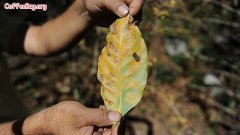
What is the disease of coffee planting that harms coffee leaf rust?
In the past 20 to 25 years, there has been a strong global demand for raw coffee beans. In order to increase production, many coffee farmers in Central America have abandoned the traditional shade planting technique and used sun exposure to grow coffee. Due to the loss of the protective effect of the crown and the reduction of biodiversity, the control of diseases and insect pests can only be more dependent on the use of pesticides and fungicides, which not only destroys the original complex health.

How does Honduras control leaf rust? What are the measures for the treatment of leaf rust in Honduras
The coffee industry was shocked and shocked by the news that Lompilla (formerly thought to be a rust-proof coffee variety) had been infected with rust in Honduras. However, while producers are shocked, Honduras is in a much better position to deal with caffeine rust than it did in 2012, when the last epidemic hit. IHC of the National Coffee Institute of Honduras
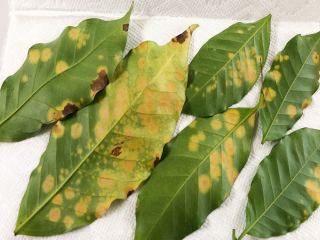
What disease is it easy to get from coffee trees? The introduction of coffee leaf rust, what kind of bug will eat coffee fruit?
Coffee trees are easily affected by many different pests and diseases, the two most common of which are leaf rust (leafrust) and coffee fruit coffeeberryborer (CBB). Leaf rust, known as roya in many Latin countries, is a fungal coffee.
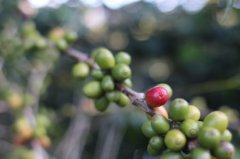
The Leaf of Coffee and the growth process of Coffee Flower
Coffee leaves opposite, usually two rows spreading, individual single leaf whorl, petiole short, leaf leathery, green (dark green on the upper surface, light green on the lower surface). Glossy oval, oval to long oval. The leaf size of small-grain coffee is relatively uniform, the leaf is small and the end is longer, and the leaf edge wave is obvious, about 12-16 cm long and 5-7 cm wide. The leaves of the medium grain species are long and large, soft and thin.
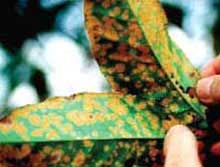
Coffee Rust Disease or Coffee Roya
The shift from traditional shade to sun cultivation may have been the main cause of the large coffee leaf rust outbreaks on coffee farms in Central America and Mexico. Coffee leaf rust was discovered in Central America 40 years ago, but recent outbreaks in Central America (Colombia, Costa Rica, El Salvador, Guatemala, Nicaragua) and Mexico are by far the most serious and dangerous

Beginner's flower-drawing skill-- leaf-shaped latte
[English name]: leaf latte [English name]: Leaf Latte Art [production material]: 1 ounce of espresso, right amount of fresh milk, 1 packet of sugar, a little cocoa powder [production steps]: 1, beat the fresh milk into milk foam, because you want to do the act of flower drawing directly, first put out the excess milk foam, and then stir the fresh milk and milk foam in the foaming steel cup evenly to make it melt.
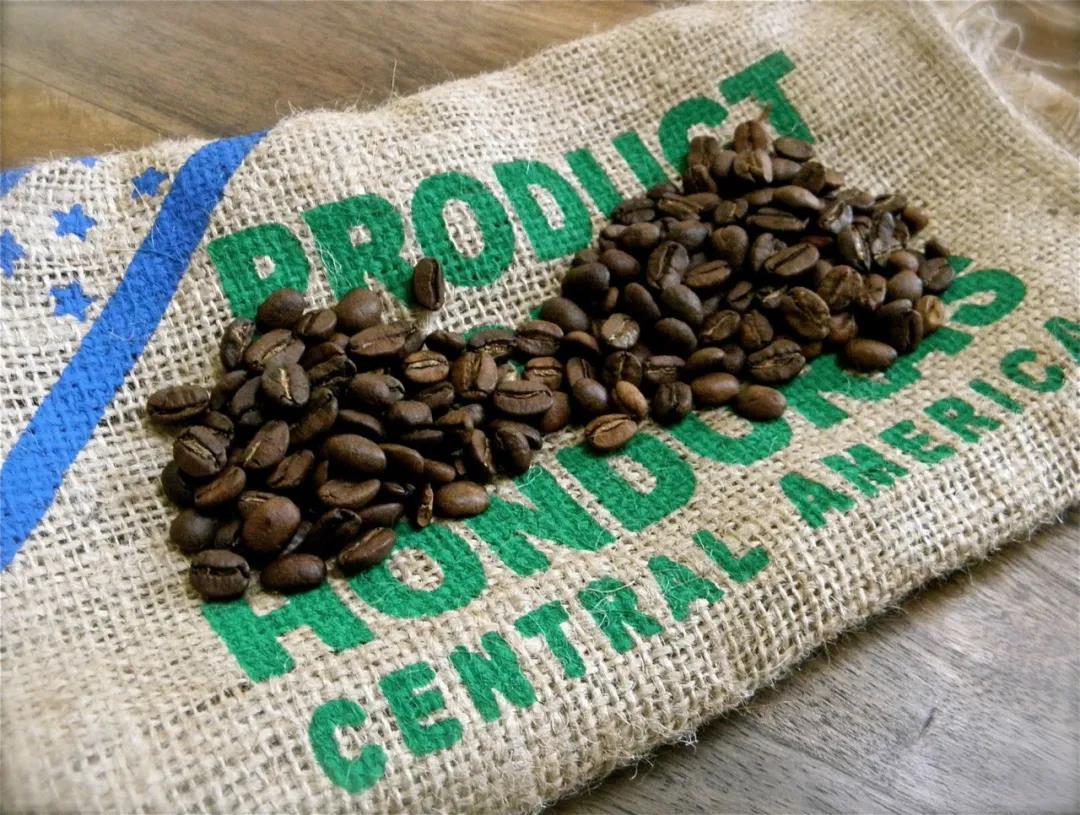
COVID-19, hurricane, leaf rust triple blow? The coffee harvest in Honduras is in jeopardy in the new season
Professional coffee knowledge exchange more coffee bean information please follow the coffee workshop (Wechat official account cafe_style) Honduras National Coffee Institute (IHCAFE) said: Honduras 2020 / 2021 harvest season coffee exports forecast to decline by about 11%, due to the global epidemic has not been well controlled, coupled with the recent heavy rainfall caused by Hurricane ETA in Central America caused losses

[tutorial] half-hearted half-leaf latte pull coffee
Half-hearted half-leaf latte pull coffee

A necessary plant in a cafe-four-leaf clover
According to legend, with a pot of four-leaf clover, that is, with happiness, you can make a wish. Give sticky people a pot of four-leaf clover. I hope you can all find your own happiness!

Four-leaf clover, a necessary plant in a cafe
According to legend, with a pot of four-leaf clover, that is, with happiness, you can make a wish. Give sticky people a pot of four-leaf clover. I hope you can all find your own happiness!

What kind of tea variety is Keemun Black Tea authentic? Qimen Castanopsis carlesii leaf species is a big-leaf tea tree?
Origin: Qimen dried leaves: dark black, glossy buds with golden tip aromas: light flowers, chocolate wine: bright orange-red flavor: fruity, long aftertaste, round and sweet tea varieties: Qimen bamboo leaf tea tree tea garden: Baita tea garden caffeine: less than 40% of a cup of coffee stored: stored in
Leaves and flowers of coffee
Coffee leaves opposite, usually two rows spreading, individual single leaf whorl, petiole short, leaf leathery, green (dark green on the upper surface, light green on the lower surface). Glossy oval, oval to long oval. The leaf size of small-grain coffee is relatively uniform, the leaf is small and the end is longer, and the leaf edge wave is obvious, about 12-16 cm long and 5-7 cm wide. The leaves of the medium grain species are long and large, soft and thin.

Which coffee varieties are resistant to leaf rust? Control of coffee leaf rust and its harm to economy
When coffee rust first appeared in Brazil, almost all coffee in the Americas, and even almost all commercially produced coffee, could be traced back to a tree planted in King Louis XIV's greenhouse in 1713. Genetic consistency in commercial coffee production poses (and continues to pose) a huge potential risk of devastating epidemics. Wild coffee species have been known for some time

Highly functional Coffee Leaf Tea promotes diversification of Coffee Industry
For the exchange of professional baristas, please follow the coffee workshop (Wechat official account cafe_style). The Agricultural improvement Farm of the Agricultural Committee of the Executive Yuan has successfully developed elegant and highly functional coffee leaf tea. The product has a hint of jasmine fragrance, sweet and long aftertaste, clear tea color with amber light red. The processing technology of this product was granted to agricultural biotechnology for the first time in March this year.

Scientists propose new way to fight coffee leaf rust
Coffee scientists from all over the world have come to Colombia's Eje Cafetero region, a hillside populated by thousands of small coffee farmers.
Coffee tree disease coffee leaf rust
Coffee leaf rust (coffee rust) is the most destructive disease of coffee trees, which is caused by coffee camel rust (Hemileia vastatrix). The disease has long occurred in coffee-producing areas such as Africa, the near East and India, Asia and Australasia. It first appeared in the Western Hemisphere in 1970 and was found in Brazil. Once-thriving coffee plantations in Sri Lanka and Java
Fine Coffee Science explains Coffee Leaf Rust in detail
Coffee leaf rust (coffee rust) is the most destructive disease of coffee trees, which is caused by coffee camel rust (Hemileia vastatrix). The disease has long occurred in coffee-producing areas such as Africa, the near East and India, Asia and Australasia. It first appeared in the Western Hemisphere in 1970 and was found in Brazil. Once-thriving coffee plantations in Sri Lanka and Java
Basic knowledge of fine coffee Coffee Leaf Rust
Coffee leaf rust (coffee rust) is the most destructive disease of coffee trees, which is caused by coffee camel rust (Hemileia vastatrix). The disease has long occurred in coffee-producing areas such as Africa, the near East and India, Asia and Australasia. It first appeared in the Western Hemisphere in 1970 and was found in Brazil. Once-thriving coffee plantations in Sri Lanka and Java